
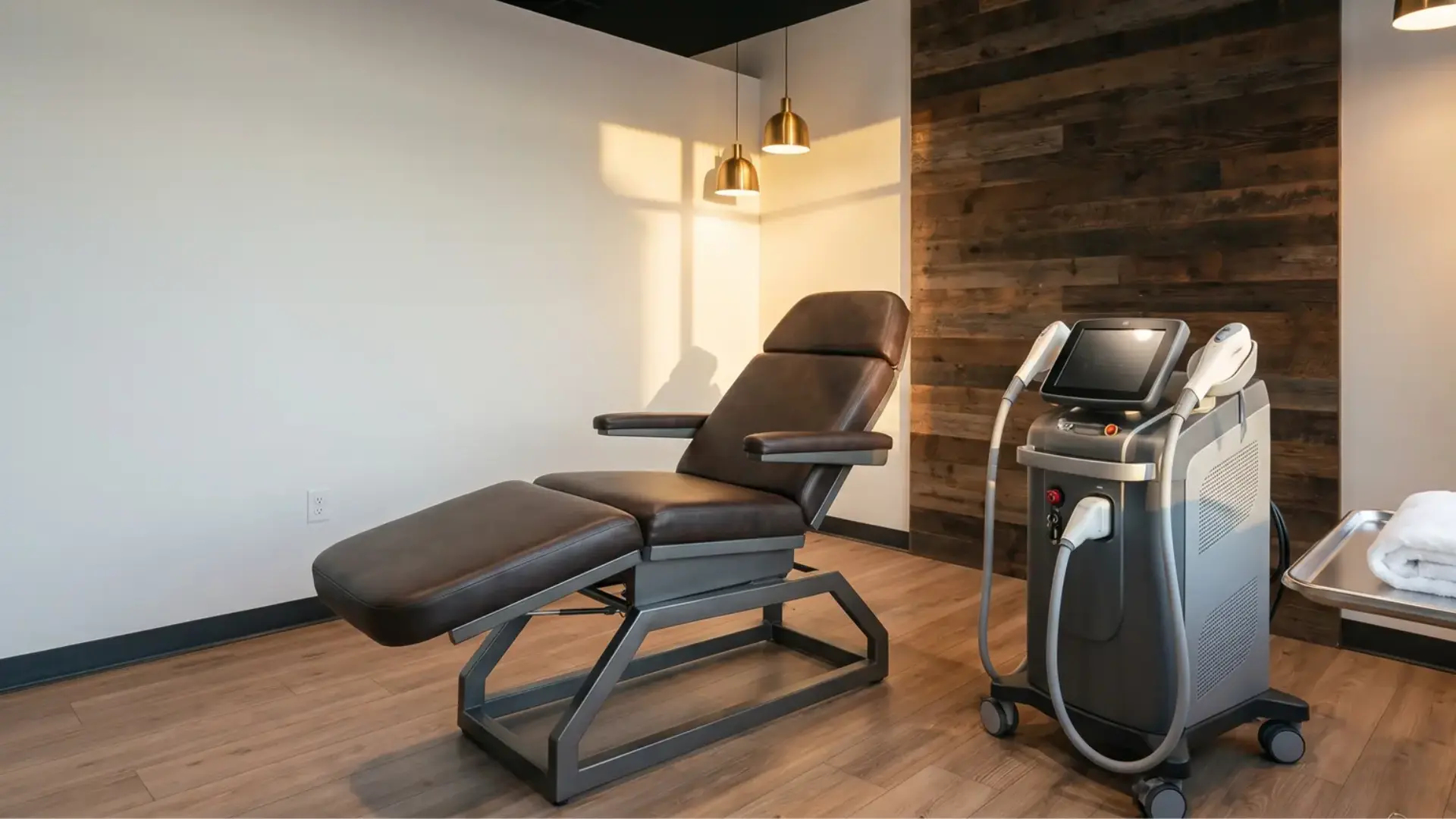
Dry Eye Treatment in Pea Ridge
If you're constantly using drops and they're still not enough, the problem isn't your drops — it's that the underlying cause hasn't been addressed.
What sets our dry eye treatment apart.
If you're constantly using drops and they're still not enough, the problem isn't your drops — it's that the underlying cause hasn't been addressed.
Meibography imaging
We image the oil glands in your eyelids to see what's actually going on.
Tear breakup time
Measures how quickly your tears evaporate — a key dry eye indicator.
Lid margin assessment
Inflammation, clogged glands, and blepharitis are all root causes we identify.
Personalized treatment plan
Therapies are matched to your specific dry eye type, not a one-size protocol.
Your dry eye treatment visit.
A dry eye evaluation goes deeper than a routine exam. We use specialized imaging to see your tear film and oil glands, then build a treatment plan based on what we actually find — not guesswork.
Dry eye treatments we offer.
Dry eye isn't one condition — so it doesn't have one fix. We match the treatment to the cause.
Prescription therapy
Targeted prescription drops and medications that treat inflammation at the source.
In-office gland expression
Clearing blocked meibomian glands to restore healthy oil flow to your tears.
Low-Level Light Therapy (LLLT)
Also called photobiomodulation (PBM). Uses gentle, low-power red and near-infrared light to stimulate cellular repair in the meibomian glands and reduce inflammation — particularly effective for chronic, treatment-resistant dry eye. No downtime, no discomfort.
Lid hygiene & blepharitis care
Treating the lid-margin inflammation and Demodex that drive many dry eye cases.
Punctal plugs
Tiny, reversible inserts that keep your natural tears on the eye longer.
Nutritional & lifestyle guidance
Omega-3 protocols and environmental changes that support long-term relief.
Scleral contact lenses
For severe dry eye, scleral lenses act as a fluid-filled reservoir that protects and hydrates the ocular surface all day.
Dry eye is chronic. Your treatment should account for that.
The most common frustration new dry eye patients bring us is simple: drops help for twenty minutes, then the burning, grittiness, and blur come right back. That happens because most dry eye is not a shortage of tears. It is a problem with tear quality, usually driven by blocked or underperforming oil glands in the eyelids, a condition called meibomian gland dysfunction. Artificial tears add water to a tear film that is evaporating too fast, which is why they never solve the underlying issue.
Effective treatment starts with figuring out which type of dry eye you actually have. That is why our evaluation looks at your tear film stability, your gland structure and function, and the surface of the eye itself before we recommend anything.
Life in Northwest Arkansas adds its own contributors. Long hours on screens reduce blink rates dramatically. Seasonal allergies inflame the eye's surface for months at a time. Ceiling fans, vehicle vents, and CPAP machines all push air across the eyes overnight. Patients who had LASIK years ago, and those managing autoimmune conditions, often have an added layer of tear production loss on top of everything else.
Because the causes stack, the treatment plan usually does too: eyelid therapies and in-office treatments such as low-level light therapy to restore gland function, prescription drops where inflammation is driving symptoms, and environment and habit changes that protect the progress. For patients with severe surface disease, scleral lenses can bathe the cornea in moisture all day. The goal is not another bottle of drops. It is a surface that stays comfortable on its own.
Common questions about dry eye treatment
Why don't my drops work anymore?+
Artificial tears only address the symptom. If your oil glands are clogged or inflamed, drops wash away too fast. Treating the glands is what creates lasting relief.
Is dry eye treatment covered by insurance?+
Medical insurance often covers dry eye evaluation and prescription treatments. Coverage varies by plan, so we'll review benefits and any out-of-pocket costs with you before any treatment.
How long until I feel relief?+
Most patients notice improvement within 4-6 weeks of starting a targeted treatment plan. Severe cases take longer but respond well to consistent therapy.
What is low-level light therapy and how does it help dry eye?+
Low-Level Light Therapy (LLLT) — also called photobiomodulation (PBM) — uses gentle, low-power red and near-infrared light to stimulate the meibomian glands at a cellular level. It reduces inflammation, supports natural oil production, and helps restore healthy tear film. Sessions are painless, take about 15 minutes, and require no downtime. Most patients complete a series of treatments over several weeks for lasting relief.
Ready to get started?
Book a dry eye treatment appointment online or call us directly. New patients welcome.
Related care: Scleral & specialty contact lenses · Comprehensive eye exams
Patients also ask: What are the two main causes of dry eyes? · Can dry eyes go back to normal?
Let's see what good vision can do.
Book online in under a minute, or call us directly. New patients welcome.